
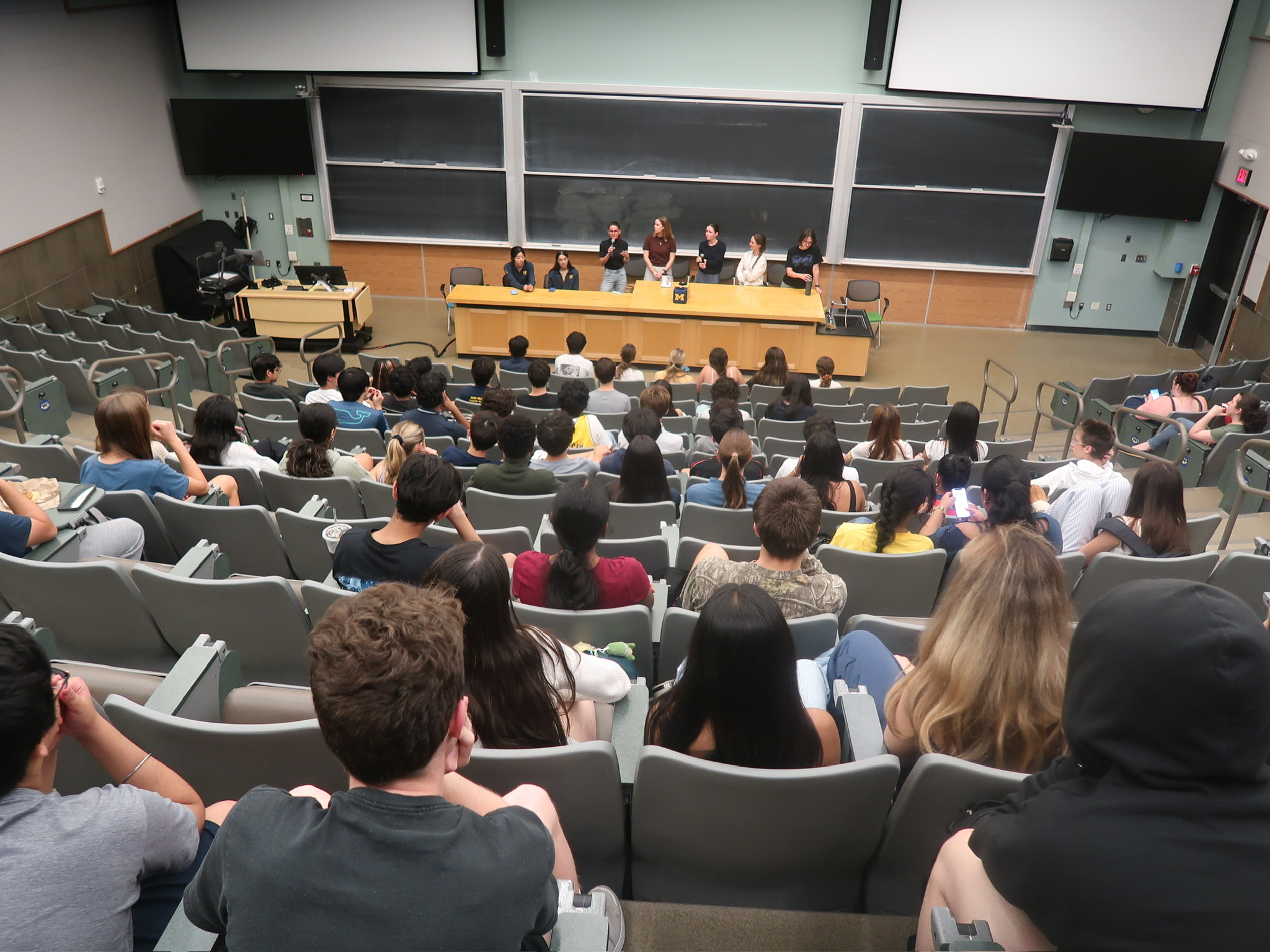
There is a version of success in debate that is hard to photograph. It is not the trophy or the speaker award. It is the moment when you hear yourself make the argument in the voice you actually have, without sanding off the parts that might make someone uncomfortable.
I learned to make myself smaller before I learned to call it a strategy. I would soften a claim, add a question mark to a sentence that did not need one, or wait for an invitation that never came. When someone interrupted me, I told myself that being easy to work with mattered more than finishing the thought.
Credibility should not require performing a version of confidence that was designed for someone else.
The myth of the neutral room
Debate is often described as a meritocracy: the best argument rises. But rooms are not neutral containers. They carry expectations about who sounds authoritative, whose certainty reads as intelligence, and whose anger gets remembered after the round. Sexism can hide inside the word “tone,” especially when tone becomes a way to judge the speaker instead of the argument.
That does not mean every difficult interaction is intentional. It means intention is not the only thing that matters. Impact, patterns, and power matter too. Naming that has helped me replace a private question — “Am I imagining this?” — with a more useful one: “What would make this room safer and more accountable for the next person?”
Practicing a full voice
For me, staying in the room now means doing several small things on purpose. I finish my sentences. I ask for the citation. I write down the interruption instead of letting it disappear. I check in with younger debaters after a round, not to tell them how to be less noticeable, but to ask what they wanted to say and whether they got to say it.
It also means accepting that not every room can be repaired by the person most affected by it. Leaving, pausing, or asking for help are not failures of commitment. They are ways of keeping a relationship with debate that is bigger than one team, one judge, or one tournament.
Editor’s note: This draft is ready for the author to personalize with a specific story, name, school, and any boundaries around what should remain private.